About Kerala
Why Kerala Hits Different
Kerala stretches along India's southwestern Malabar Coast, a narrow strip of land between the Arabian Sea and the Western Ghats that packs an extraordinary range of landscapes into a compact geography. The backwaters of Alleppey, a network of over 900 kilometres of interconnected canals, lagoons and lakes, are best experienced aboard a traditional kettuvallam houseboat as it drifts past coconut palms and Chinese fishing nets at sunset.
Inland, the hill station of Munnar sits at 1,600 metres, surrounded by rolling tea estates that were first planted by the British in the 1880s and now produce some of India's finest teas. Wayanad, further north, is home to Edakkal Caves with petroglyphs dating back to 6,000 BCE, alongside pristine wildlife corridors that connect Nagarhole and Bandipur reserves. Kochi, the port city, layers Portuguese churches, Dutch palaces, Jewish synagogues and Chinese fishing nets into a living museum of maritime trade.
Kerala's Ayurvedic tradition, recognised by the World Health Organisation, offers authentic wellness retreats that range from week long Panchakarma detox programmes to gentle oil massage therapies. The state's cuisine, built around coconut, curry leaves, black pepper and fresh seafood, is as layered and complex as its history.
Gallery
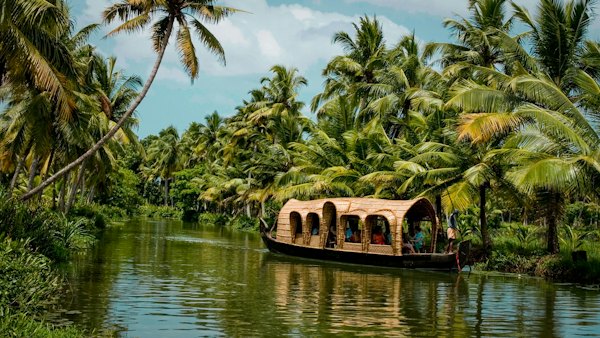 Alleppey Backwaters
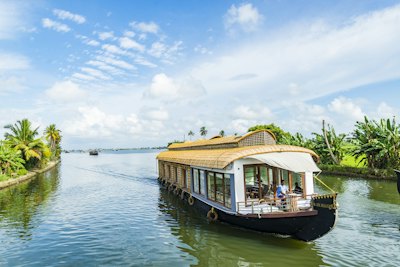 Munnar
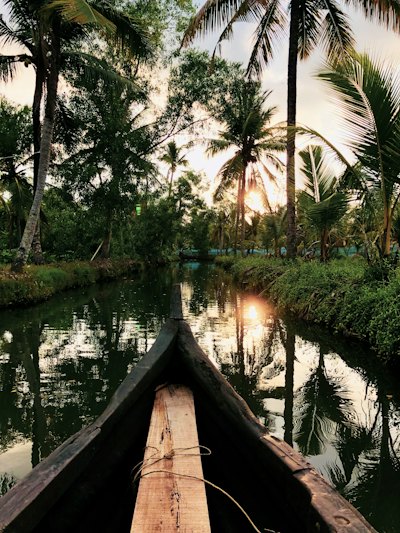 Fort Kochi
 Wayanad
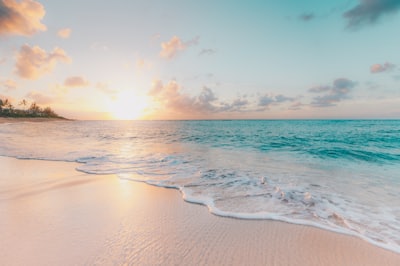 Kovalam Beach
Curated Experiences
Curated Kerala Itineraries
Real tour packages, handpicked and fully customizable to your vibe.
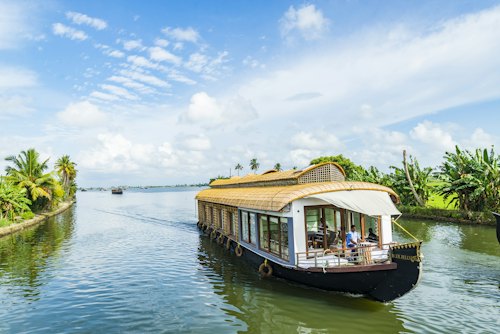
Kerala — 4 Nights / 5 Days
Cochin to Munnar, Thekkady and Alleppey. Tea estates, spice gardens and backwater bliss in a compact four-night journey.
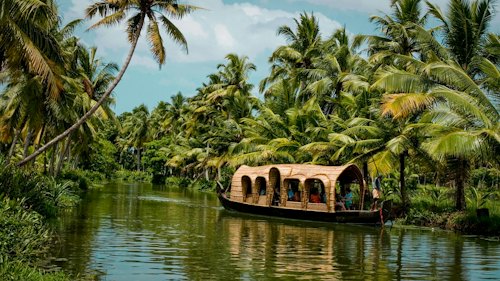
Kerala — 5 Nights / 6 Days
Start in heritage Cochin, climb to Munnar's tea country, explore Thekkady's spice trails and drift through Alleppey's backwaters.
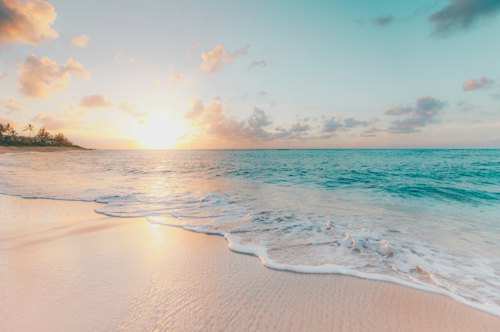
Kerala — 6 Nights / 7 Days
The grand tour: Cochin, Munnar, Thekkady, Alleppey and the cliffside sunsets of Varkala. The complete God's Own Country experience.